Saturday, 2 April 2011

KAMPINOS FOREST - historical and social information


  • Reach in wood Mazowsze Forest  has been well known and valued for a long time. Pines were cut down and floated by Vistula river to Gdańsk. 


  • Considering its proximity to Warsaw, the Kampinos Forest was an area of frequent military activities. There are mementoes of these times such as "Sosna Powstańców 1863 roku" (Pine of Insurgents of 1863) or a cemetery of Nazi execution victims in Palmiry.  
Many inhabitants of Warsaw are buried at the Palmiry cemetery, they were secretly killed there by the Germans in the years 1939-1945.

  • Every year in Brochów there is a recreation of Battle of the Bzura, the biggest battle of the September 1939 Campaign, which was fought by Polish armies Poznań and Pomorze against German 8th and 10th Army of South Group.

Additional attractions near the Kampinos Forest:

- Żelazowa Wola, a manor house where famous composer Frédéric Chopin was born; 

- Brochów, fortified church, place of Chopin’s baptism and wedding of his parents;


- Modlin Stronghold;
- Romanesque monastery in Czerwińsk by Vistula river;

  • 73,000 people live within the boundaries of the biosphere reserve, mainly in villages. Agriculture and tourism are the main economic activities in the area.
  • The Kampinos Forest almost reaches Warsaw so it’s very popular destination for weekends breaks and holidays. A very important thing is that the Park produces a lot of clean, fresh air for the capital city.
  • Kampinos is popular among hikers and cyclists from the capital, who take advantage of its 300km of marked walking and cycling trails. The eastern part of the park, closer to the city, is more favoured by walkers as it’s accessible by public transport; the western part is less visited.  
  • More than 360 kilometres of hiking trails were marked in Kampinos National Park. The main trail has a length of more than 50 kilometres. Bicycle tourism is difficult because of the sandy ground. Therefore, 140-kilometre Kampinos Bicycle Route is led on the outside part of the Park. 

  • Sandy Kampinos routes ensure great conditions for cross-country running and nordic walking, and in winter for cross-country skiing. 
  • One can also rent a horse and ride on trails whose total length is around 360 kilometers. 

  Welcome to the Kampinos Forest !

Wednesday, 30 March 2011

HISTORICAL AND SOCIAL INFORMATION ABOUT “BEYKOZ DOGA COLLEGE FOREST”

Beykoz Doga College Forest of the Bosphorus has always been a location to spark the imagination, and in ancient times was a place of sacrifice. Blood was spilt to petition Zeus and Poseidon for a safe journey across the treacherous Black Sea, without which no one would venture into those stormy waters.
The first historic people to settle the upper-Bosphorus were Thracians and Greeks and the ancient name for the area was Amikos or Amnicus, named after a Thracian king. However, the area has changed hands many times since. As well as being one of the most strategically important crossing points in history, the Bosphorus itself has always been rich in fish and opportunities for plundering the even richer communities around the Marmara, and Beykoz has been settled by wave on wave of invaders from around and beyond the Black Sea: Thracians, Bithynians, Persians, Greeks, Romans, Byzantines and finally Turks.
In the Ottoman period, the land behind Beykoz was open country and forest used for hunting and an escape from the city by the Sultans and their court. The hunting lodge at Küçüksu, and the fountains and mosques that decorate the villages along the coast date from this era. The name Beykoz was established at this time and appears to derives from Bey (meaning prince, lord or gentleman) and Koz (the Persian word for village). (Koz is also a word for a type of walnut, another possible etymology).
Under Turkish control the straits have retained their strategic value; indeed British troops assembled in Beykoz on their way to fight in the Crimea in 1854.
Later attempts were made to bring industry to the area, most importantly the glassworks at Paşabahçe, which began as small workshops in the 17th century and by the 18th and 19th centuries were a well-established factory making the ornate spiral-designed or semi-opaque white glassware known to collectors worldwide as 'Beykoz-ware'. A well-known shoe factory was later built, now both glass and shoe factories are closed.
On the hillsides above the Bosphorus Beykoz has always suffered from uncontrolled development and large areas above the Bosphorus are covered in illegal housing, where migrants have come to live and work in the glass and other industries. Areas like Çubuklu and Paşabahçe are continually struggling to put in infrastructure to keep up with the housing being built illegally or semi-legally. Due to this incoming industrial workforce Beykoz has had a working-class character unseen behind the luxury of the Bosphorus waterfront. Schooling is somewhat of a problem and it is common to see children from the Beykoz area going to school by boat to the European side.
Now the illegal building is happening in the forests further back from the sea, particularly in the areas of Çavuşbaşı and Elmalı. This countryside is scattered with little villages, all of which are expanding now more roads are being put through.
Not all the new housing is scrappy, and Beykoz holds some of the most luxurious new development in the Istanbul area, the villa estates of Acarkent and Beykoz Konaklar, home to filmstars, members of parliament and other Istanbul glitterati. How attractive these places are and how cultured and respectable the residents are matters of some debate. The Bosphorus has historically been teeming with fish, and Beykoz does have a small fishing community (although the main fishing fleet is based in Istanbul itself). The fish restaurants at Anadolu Kavağı in particular have sprung up to serve day trippers from the Bosphorus tours by ferryboat.

Sunday, 20 March 2011

Our expedition in Rodna Mountains National Park


Rodnei is the highest massif in the Eastern Carpathians (Pietrosu Rodnei Peak- 2.303 meters). Its main ridge (50 kilometers long, 3-40 km wide) offers you a splendid panorama of all the surrounding mountains. Volcanicmountain, it has some glacial lakes like Lala and some caves, the most notable one is "Izvorul Tausoarelor", the deepest cave in Romania, and the second in Europe, going about 479 meters beneath the surface and "Jgheabul lui Zalion", 242 meters deep. Some protected species of flora and fauna can be observed here: edelweiss, chamois, marmot, lynx etc

Saturday, 5 March 2011

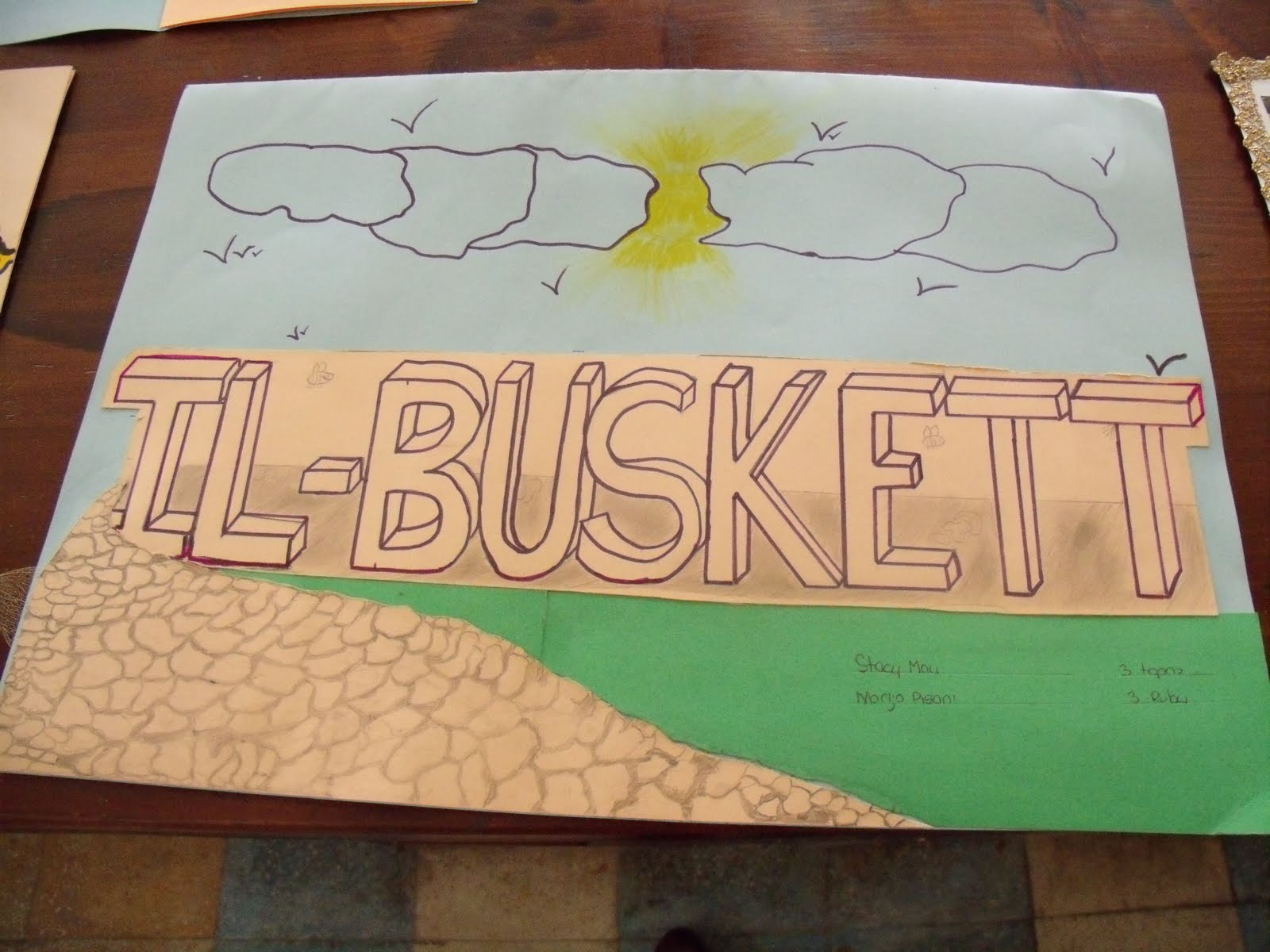
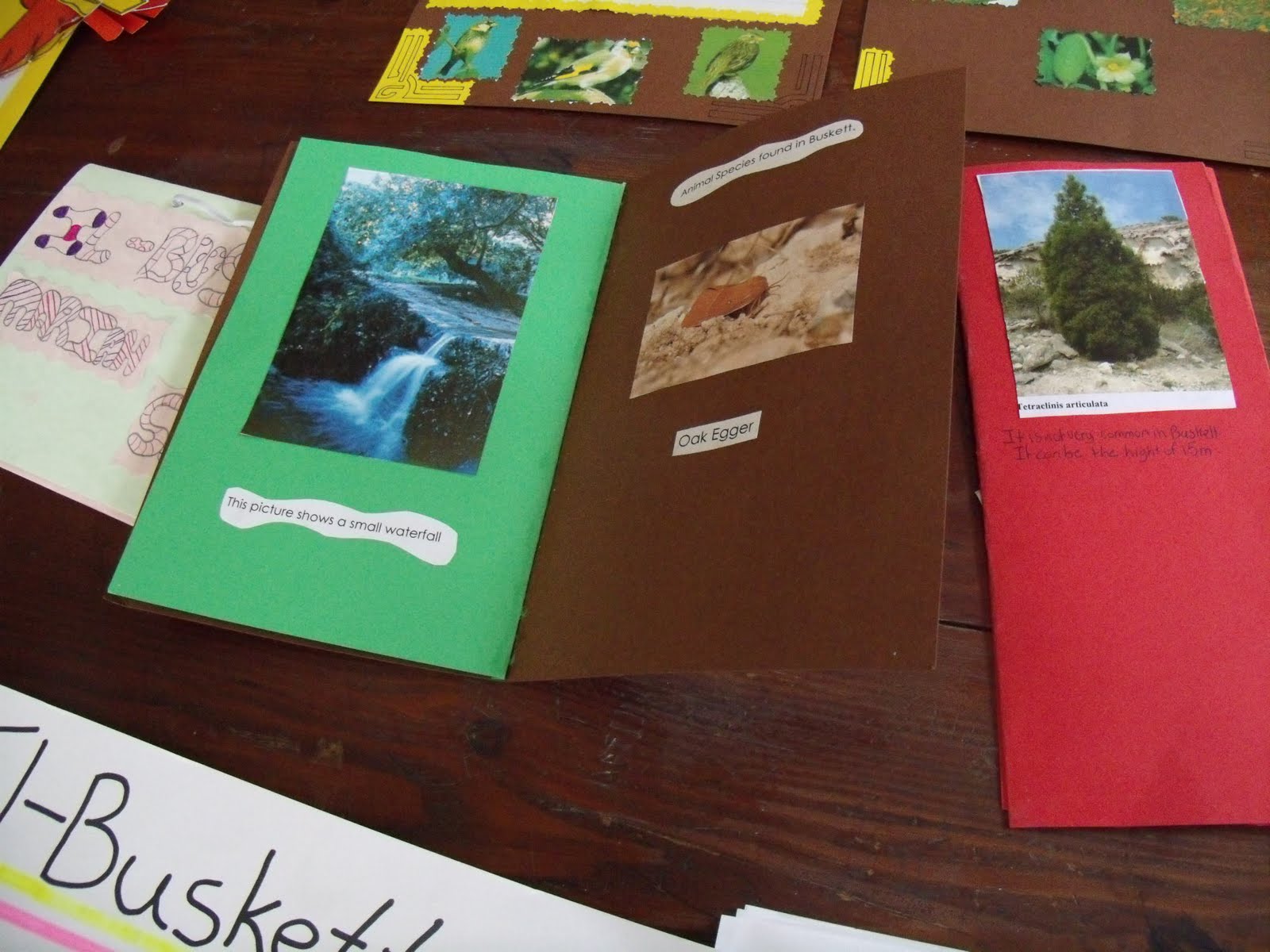
our exhibition about this project

Dear partners,
I am glad to upload the photos of the exhibition that my students are preparing, about this eTwinning project. They were asked to do a project about Buskett, our Maltese forest.


Friday, 4 March 2011

Malta


Yesterday my students and I went on a fieldwork to study the Maltese trees and plants in a Maltese "forest" Buskett. We uploaded all the photos on the twinspace.

Tuesday, 1 March 2011

LEIRIA'S TREES

Leiria Pine Forests belongs to a large National Forest which was created to form a sea wind protective barrier, a long time ago.
Thus, beyond the wooded area where the predominant pine is Pinus pinaster, we have a long coastline where several marine plants, such as beach’s Murganheira and sea thistle, can be found. Regarding the animal kingdom only insects and small reptiles. In the area of the first row of dunes we can also observe migratory birds that find there rest and shelter or their nesting site (such as the little Sea-Swallow).

When we move into the pine forest, the soil is more stable and the salinity is lower, which means there is the enriching of both flora and fauna.
Beyond the Pinus pinaster that prevails due to intensive planting along the years, there are some clusters of Pinus pinea. In the surroundings of Moel’s brook (watercourse that crosses the forest from east to west and flows into the Atlantic Ocean) it is possible to find acacia (Acacia horrida), eucalyptus (Eucalyptus globulus), poplars (Populus) alders (Alnus glutinosa), oaks (Quercus rubra) and willows (Salix babylonica). Some of these trees, such as the Eucalyptus globulus and the serpent pine trees, are considered of National Interest due to their size and configuration.
Beyond the trees we can find different types of undergrowth vegetation – white and pink heather, shrub ferns, lentisk, furze, broom and crowberry.
Rabbits and hares mostly compose the forests’ fauna, but we can also find otters, hedgehogs, foxes, badgers, etc. Regarding to birds we have crows, jays, leaf warbler, blackbirds, doves, pigeons, thrushes and partridges.